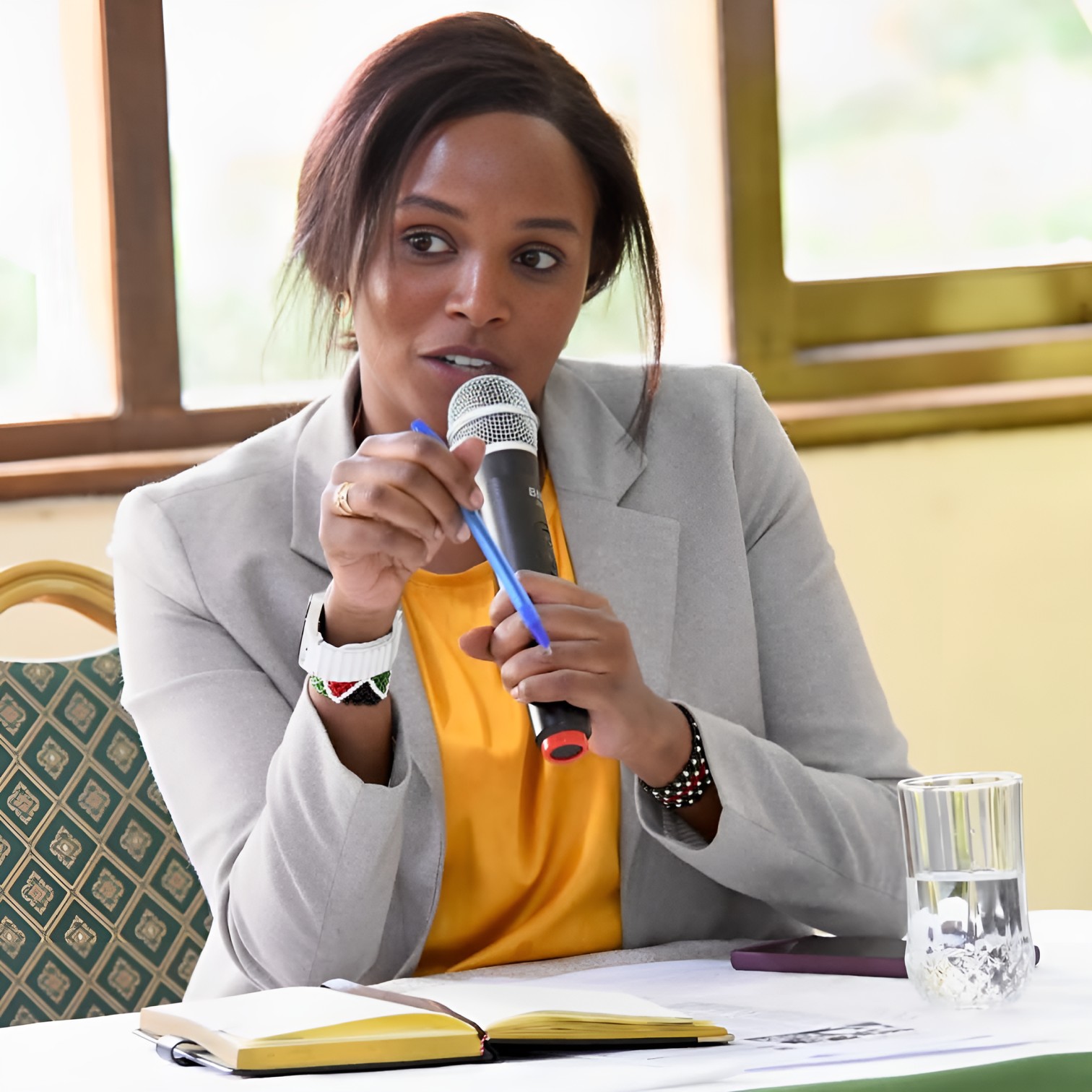
Kenya Wildlife Service (KWS) is actively engaging county governments on revenue sharing from national parks, while implementing reforms in park fees, digital compensation systems, and community relations, according to Sylvia Museiya Principal Secretary for Wildlife.
Speaking in an interview on Citizen TV on Sunday night, Museiya clarified the status of national park revenue distribution, noting that there has been no clamor from governors to change ownership of national parks.
“The need for dialogue is clear. Parks have been managed by KWS since 1989, generating revenue that counties now seek to benefit from,” she said.
She explained that revenue-sharing arrangements are already in place; for example, revenue from Amboseli National Park follows a phased model and is eventually allocated to Kajiado County.
Governors’ requests, she said, are focused on securing a fair share of revenue from parks in their counties, particularly Tsavo East and Tsavo West, which occupy a large portion of Taita-Taveta County land.
Museiya noted that over 30 national reserves are jointly managed with county governments, allowing local authorities to benefit directly from tourism income through operational partnerships.
On park access, she outlined the transition from the old eCitizen platform to the upgraded KWS Pay system. The new platform offers multiple payment options, applies a monthly dollar exchange rate, and includes a nominal administrative fee and a 5% gateway fee to support system maintenance.
The upgrade is aimed at addressing connectivity and efficiency challenges, particularly in parks located far from reliable infrastructure. Museiya said consultations with stakeholders on the new fees are ongoing.
The PS also addressed delays in payments for human-wildlife conflict compensation, which have been backlogged since 2013 due to underfunding, slow verification, and disruptions caused by the COVID-19 pandemic. KWS has now established county-level verification committees and digital systems to streamline claims.
“We are working to ensure that beneficiaries are paid promptly, even if amounts are revised downward to expedite disbursement,” Museiya said.
She added that Sh2.8 billion has been paid over the last three years, with full verification of outstanding claims expected soon.
Museiya highlighted the importance of strong community engagement in conservation. KWS personnel are actively integrated into local communities, providing education on human-wildlife coexistence and participating in community activities. While occasional incidents occur, she emphasized that most of the service’s 6,000 rangers maintain positive relationships with residents.
She also highlighted plans for the proposed Wildlife Conservation Trust Fund, which aims to ensure equitable distribution of tourism earnings to support park operations, county governments, community projects, and human-wildlife conflict mitigation.
“Conservation is a shared responsibility, and KWS remains committed to maintaining wildlife resources while supporting local communities,” Museiya said.































Comments
Sign in with Google to comment, reply, and like comments.
Continue with Google